
Fall Wildlife Hikes in the Bay Area: 5 Spots Worth the Drive
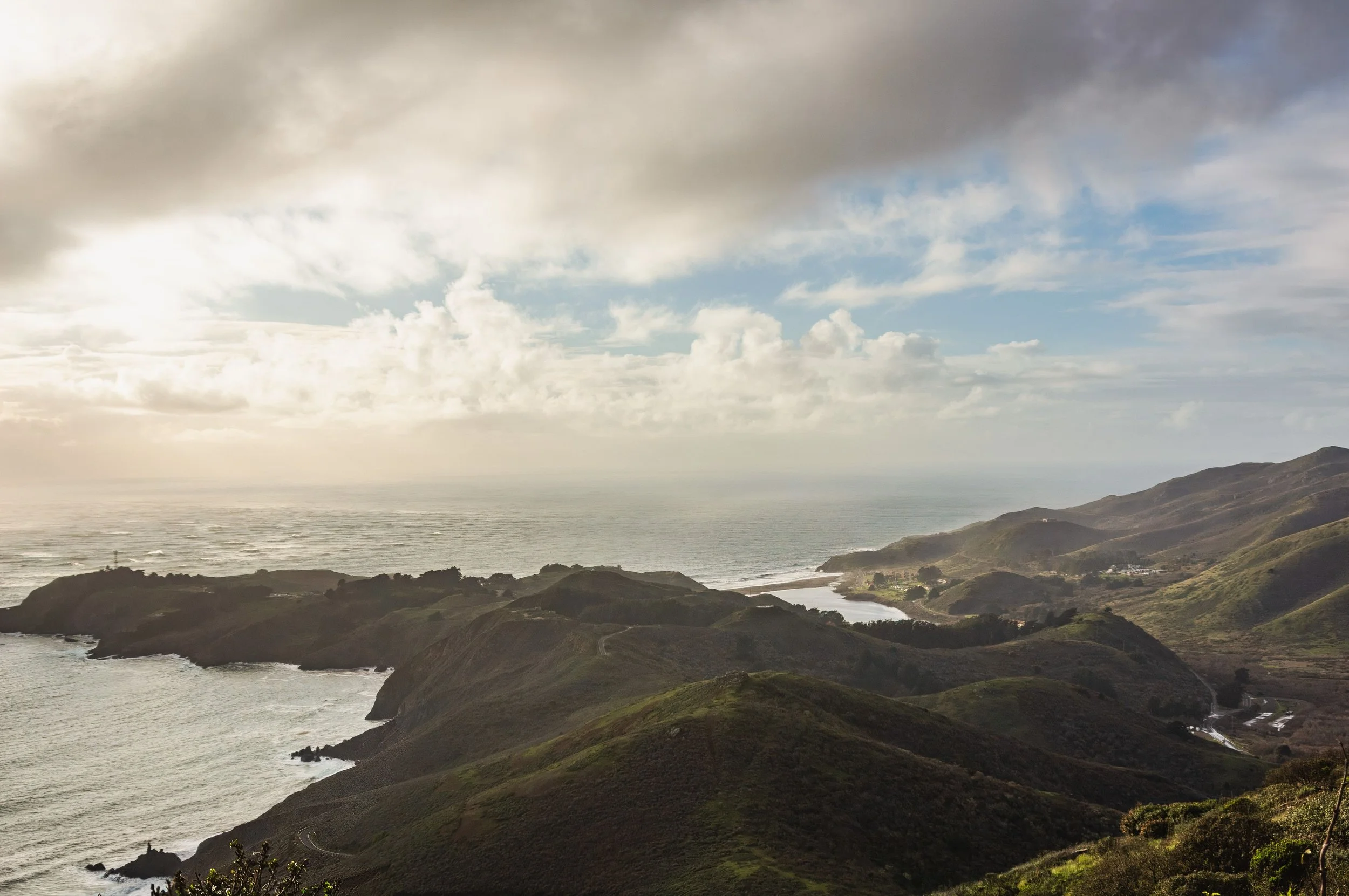
Late October is one of the best times of year to hike in the Bay Area, because the animals are on the move and the trails are quieter than they were all summer. Hawks are streaming over the Marin Headlands, bull elk are finishing their rut at Point Reyes, monarch butterflies are settling into Santa Cruz, tarantulas are wandering Mount Diablo, and the coho salmon run in Marin is only a few rainstorms away. Here are 5 hikes that line up with what's happening in the wild right now, with timing tips so you show up on the right weekend.
If you're new to Bay Area trails, our posts on why Edgewood Park is the Bay Area's best kept hiking secret and Sawyer Camp Trail are easy warmups before you tackle the longer drives below.
1. Hawk Hill, Marin Headlands: the fall raptor migration
Hawk Hill sits at 940 feet in the Marin Headlands, right across the Golden Gate Bridge, and it's one of the best spots in the Bay Area to watch hawks migrate. Volunteers with the Golden Gate Raptor Observatory count birds there from mid-August to mid-December, and the busiest stretch runs from late September to early October, when as many as 1,000 raptors a day can pass overhead. An average of 19 species show up each year, with red-tailed hawks and turkey vultures leading the count.
The Parks Conservancy says the best raptor hours are usually 10 a.m. to 2 p.m., with light winds from the north or northwest. On Saturdays and Sundays in September and October, docents host a free Hawk Talk at noon followed by a banding demonstration at 1 p.m., when a newly banded hawk is released in front of the crowd. This weekend is your last chance at those talks for the season, and rain or fog cancels them, so check the forecast before you go. Bring water, layers and binoculars, since there's no water on the hill.
2. Tomales Point, Point Reyes: tule elk in rut
The Tule Elk Reserve at Tomales Point covers about 2,600 acres at the northern tip of Point Reyes National Seashore, and the National Park Service calls it your best chance to see the elk. Rut season runs August through October, so for the next week or so you can still hear bulls bugling, watch them round up groups of females and sometimes catch 2 bulls sparring. You can park at Historic Pierce Point Ranch and head out on the Tomales Point Trail, which the park lists at 4.7 miles, and turn around whenever you've seen enough.
The park's rules are worth following closely during the rut. Keep your distance using the "rule of thumb," which means if your thumb can't block the elk from view, you're too close, and never walk between 2 bulls or between a bull and his group of cows. Pets aren't allowed at Tomales Point, and collecting antlers is illegal in the park. If you're turning this into a full day out, our guide to the best day trips from San Francisco within 2 hours has ideas for the drive back.
3. Natural Bridges State Beach, Santa Cruz: monarch season
Monarch butterflies usually arrive at Natural Bridges State Beach in mid-October and leave by mid-February, and California State Parks says late October and November are often the best time to see them. A wheelchair- and stroller-accessible boardwalk leads down into the eucalyptus grove to an observation deck, where the butterflies cluster on the branches and warm up in the sun. Dogs, bikes and skateboards aren't allowed on the boardwalk, and visitors are asked to keep noise down and never touch the butterflies.
This is the easiest walk on the list, which makes it a good pick for families or friends who want wildlife without a big climb. Vehicle day use costs $10, and the park notes that dates and butterfly numbers change every year, so a sunny afternoon is your best bet for seeing them open their wings.
4. Mount Diablo: tarantula season's final weeks
Every fall, mature male tarantulas leave their burrows on Mount Diablo to search for females, and Visit Concord says the spiders are most active in September and October. The males are around 6 or 7 years old when they set out, and most of them die around Halloween, while females can live up to 25 years and mostly stay underground. That means late October is the tail end of the season, so if you've always wanted to see one, this is the week to try.
The north side of the mountain, around Mitchell Canyon, is a long-time favorite for tarantula walks run by local groups, and sightings are never guaranteed because the spiders spend most of their time hidden. If you spot one, watch from a distance and let it go on its way. Watch your step on the trails and your speed on the park roads, too, because tarantulas crossing the road are easy to miss.
5. Lagunitas Creek, Marin: get ready for the salmon run
The coho salmon run in Lagunitas Creek is the payoff for anyone willing to wait for winter rain. Point Reyes National Seashore says spawning is triggered by rainfall and suggests looking for fish 1 to 3 days after a storm, with January traditionally the best month to see coho and steelhead. That makes this one a hike to plan now and do later, once the first big storms roll through.
The Leo T. Cronin Fish Viewing Area at Shafter Bridge, on Sir Francis Drake Boulevard near Samuel P. Taylor State Park, is the classic spot, and the water district opens a parking area there from December through February. Devil's Gulch, a few miles west, offers a flat creekside walk with several viewing points. Watch for stinging nettle, poison oak and swift water, and give spawning fish plenty of space.
Plan your next outing with people who love the outdoors
Fall wildlife trips are more fun with a crew, whether you need someone to carpool to Point Reyes or a friend with better binoculars than yours. Our roundup of the best hiking and outdoor communities in the Bay Area is a great place to find people, and if you're heading out alone, our guide to things to do alone in the Bay Area has tips for making solo trips social. The Bay Area hiking Tribe on Tribe is where locals share trail reports, sightings and weekend plans, so it's an easy way to find a group for your next hike.
