
Ben Affleck’s AI Deal With Netflix Is Changing Movies Forever. And Nobody’s Ready
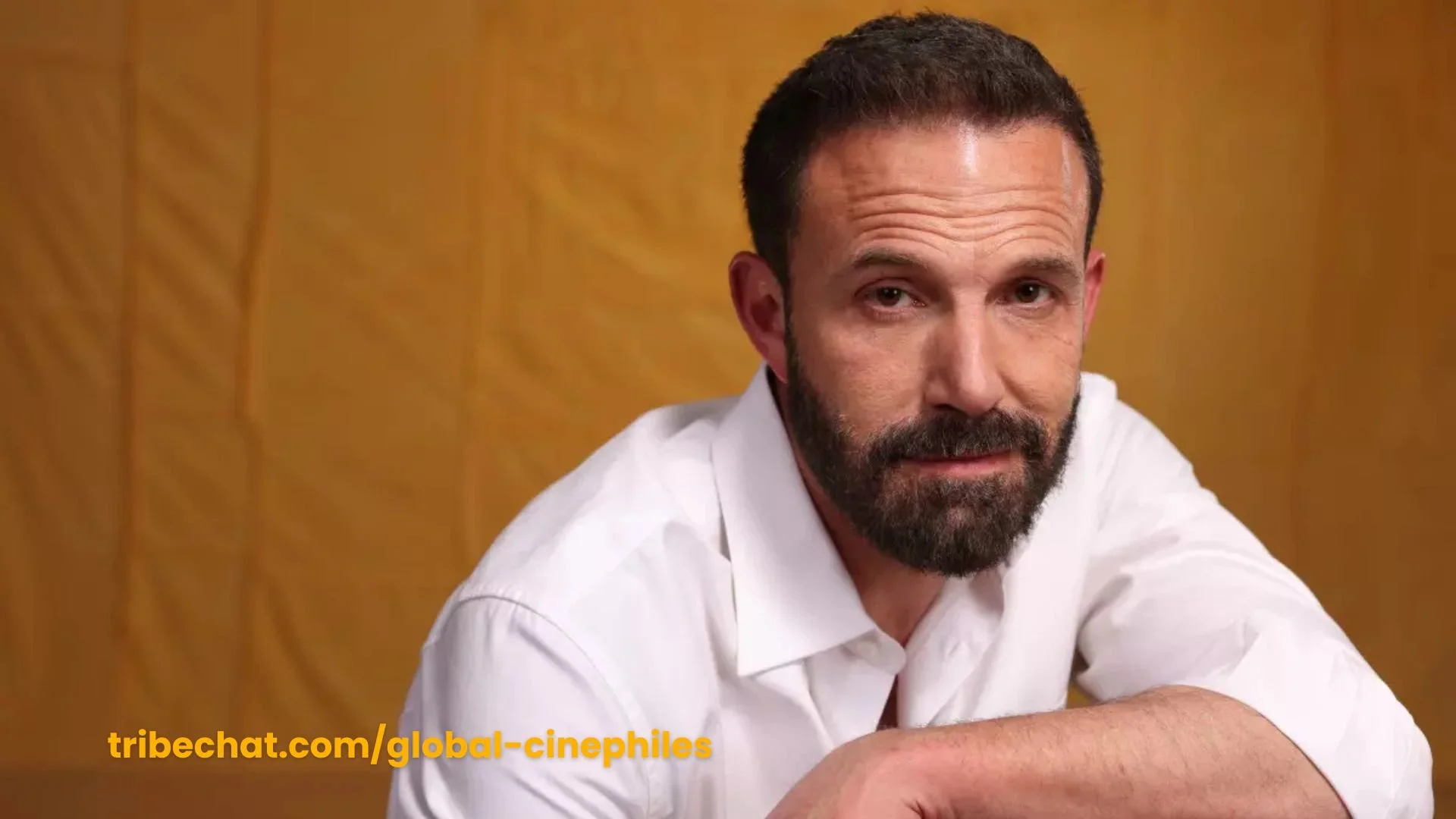
Does this help or hurt the future of the film industry?
There’s something deeply unsettling about watching this happen in real time.
Ben Affleck, an actor who built his career on storytelling, on the craft, on the human side of filmmaking, has just helped push Hollywood one step closer to something colder, faster, and way less human. And the craziest part is that people are barely reacting the way they should be.
Is Netflix ruining the industry?
When the news first came out that Netflix had acquired Ben Affleck’s AI film tech company, it was dressed up in all the usual language we’ve come to expect. “Innovation. Efficiency. Progress.” The kind of words that sound impressive on the surface (and interesting to tech bros), but start to feel a bit hollow the moment you stop and really think about what’s actually being built here. Because “AI-assisted filmmaking” sounds harmless enough at first. I mean, who wouldn’t want faster edits, smoother post-production, or tools that make things easier behind the scenes?
But that’s also exactly how these things always begin.
What starts as assistance rarely stays that way. First it helps, then it improves, and eventually it replaces…. not in one dramatic moment, but gradually, almost quietly. So quietly that by the time people start asking questions, the shift has already happened. That’s what makes this whole situation feel so uneasy. It’s not just about what AI can do today, it’s about the direction it’s clearly heading in, and how little resistance there seems to be to that shift.
For years, people across Hollywood, including filmmakers like Affleck, talked about protecting the human side of storytelling. There was this shared understanding that no matter how advanced technology became, it couldn’t replicate real emotion, real experience, or the unpredictability that makes films feel alive. That argument felt solid at the time. Almost reassuring. And yet now, the same space that once pushed back against AI is starting to embrace it, not cautiously, but commercially. Suddenly it’s not a creative threat, but rather it’s a massive business opportunity.
And that shift didn’t come from a change in belief. It came from scale. From money. From the realization that if AI can make production faster, cheaper, and more consistent, then it fits perfectly into the way companies like Netflix already operate. At that level, films aren’t treated as delicate, one-of-a-kind creative works, but instead, they’re part of a system. A pipeline. Something that needs to keep moving, keep delivering, keep people engaged. AI, for better or worse, is built for exactly that kind of environment.
The part that’s hard to ignore is how naturally it all fits together. If AI can handle small technical fixes today, it doesn’t take much imagination to see it taking on larger roles tomorrow. Editing becomes automation. Creative decisions become suggestions generated by data. And once studios see that audiences aren’t pushing back, or that most people either don’t notice or don’t care, the incentive to slow down disappears completely. At that point, it’s not even a debate anymore. It’s just momentum.
What makes this feel different, though, is who’s involved. Affleck isn’t an outsider trying to disrupt filmmaking from a distance. He understands the process, the craft, the collaborative nature of making films. Which is exactly why this doesn’t feel like experimentation. It feels like a turning point. When the people who built their careers on traditional filmmaking start investing in changing it, that’s when you know the shift is coming from inside, not outside.
And maybe that’s where we are now. Not at the beginning of AI in film, but somewhere in the middle of its quiet normalization. The stage where it stops being controversial and starts being standard. Where the conversation shifts away from “should we be doing this?” to “how far can we take it?” And the uncomfortable truth is, once an industry reaches that point, it rarely pulls back.
So maybe this doesn’t change everything overnight. Maybe the first steps really are small, even helpful. But pretending it stops there feels naive. Once that direction is set, it tends to accelerate faster than anyone expects. The real question isn’t whether AI will reshape filmmaking. It’s whether, by the time it’s fully integrated, there’s still something recognizably human left at the core of it.
