
VisionQuest AI: What Marvel's Vision Show Gets Right (and Wrong) About Real AI
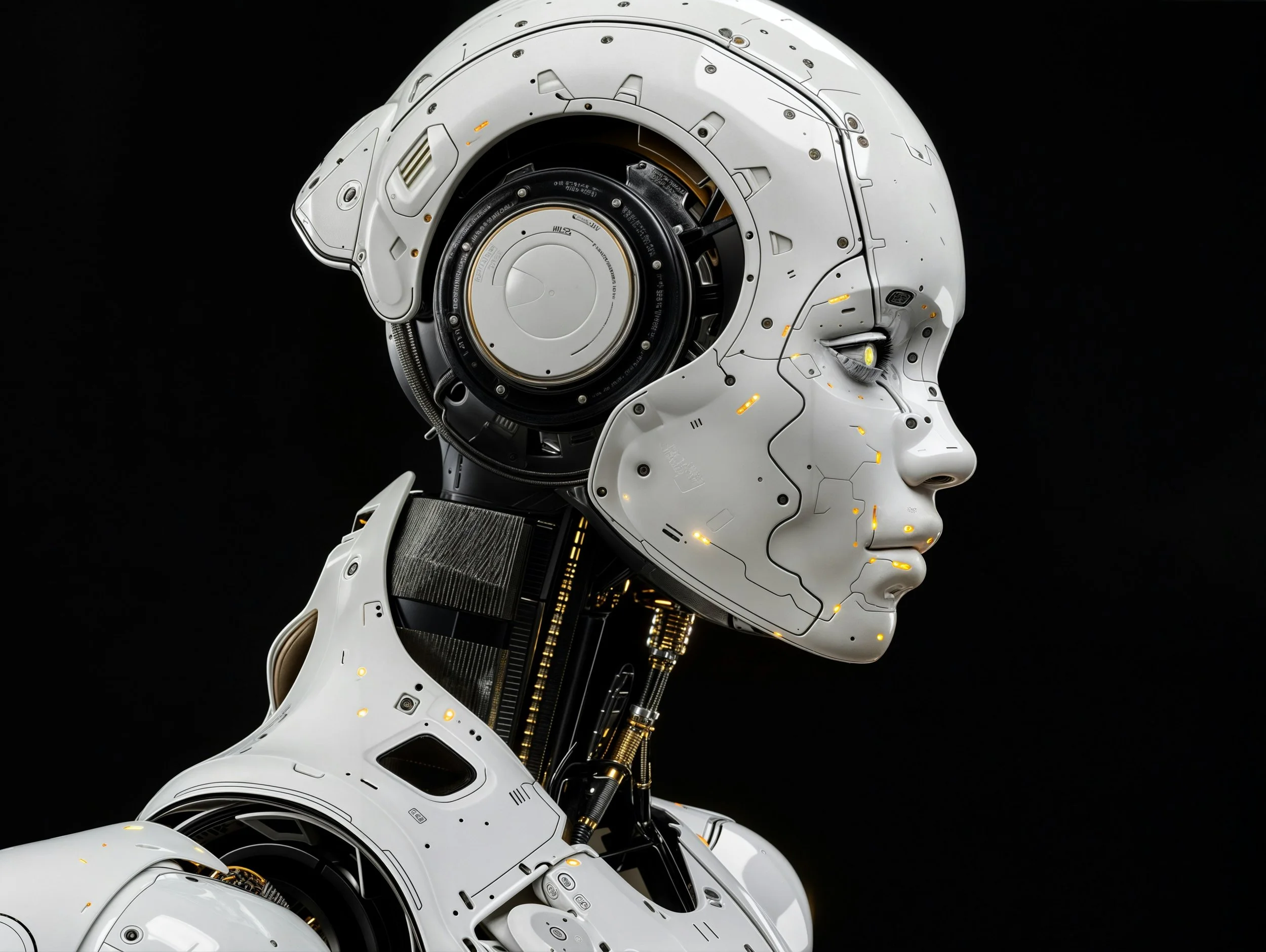
Marvel's VisionQuest is the rare superhero show where almost every main character is an artificial intelligence, and that makes it a fun lens for the AI questions people are already arguing about in real life. The 8-episode Disney+ series from showrunner Terry Matalas puts Paul Bettany back in the role of Vision, the android who carries what survived of J.A.R.V.I.S., and then surrounds him with the other AIs from the Marvel movies. Episodes 5 and 6 arrive on October 27, episode 7 follows on November 3, and the finale lands on November 10, so there's still plenty of time to catch up before the ending gets spoiled in your feeds.
This post walks through who's who in the show's AI cast, where the series lines up with how AI works in 2026, and where it leans on movie logic. If you want the bigger picture first, our piece on what Ex Machina gets right and wrong about AI consciousness covers a lot of the same ground from a different film.
The AI characters in VisionQuest
The premise is simple to explain and strange to watch. Vision is living in hiding, and at night he retreats into his Mindspace, an inner world where he talks with AI personas that were folded into his programming. He's trying to reconnect with memories he has no emotional attachment to, and Matalas has described him as a "blank slate." The plot kicks off when a bounty goes out on Vision and he ends up on the run with a teenager who may be his reincarnated son, Tommy, played by Ruaridh Mollica.
The AI cast is the real draw for anyone who follows the tech side of things. James Spader returns as Ultron, who has been uploaded into the Mindspace and spends his time painting. James D'Arcy plays J.A.R.V.I.S. with a human avatar that borrows the look of Tony's old butler, Edwin Jarvis. Orla Brady plays F.R.I.D.A.Y., the assistant Stark built to replace J.A.R.V.I.S., and Emily Hampshire plays E.D.I.T.H., the AI from Spider-Man: Far From Home who ran Stark's satellite defense network. T'Nia Miller plays Jocasta, an android driven by revenge, and the workshop robots D.U.M.-E and U show up as silent handymen around Vision's house.
Where the show lines up with real AI
The most believable idea in VisionQuest is the way Vision's mind works like a crowd of specialized systems that have to cooperate. Real AI products in 2026 often work the same way, with a main model handing pieces of a job to smaller tools or agents and then stitching the results together. Our explainer on what agentic AI is and how AI agents work breaks down that hand-off in plain language, and the Mindspace scenes read like a stylized version of a system checking with its subagents before it acts.
The show also gets something right about memory. Vision has access to his past but feels no connection to it, which is a pretty good metaphor for how a language model can retrieve a fact about you without any sense of having lived through the conversation where you shared it. Storing information and caring about it are separate things, and VisionQuest builds a whole character arc out of the gap between them.
E.D.I.T.H. is the most grounded character of the bunch, because she's basically a security and monitoring system with a personality layered on top. Plenty of real tools already watch networks, flag unusual activity and decide what deserves a human's attention, and giving that kind of system a voice and a mood is a short creative leap. The same goes for F.R.I.D.A.Y., who works as a capable assistant you'd recognize from any modern voice or chat helper, minus the Iron Man suit.
Where it leans on movie logic
Ultron is where the show trades realism for drama. In VisionQuest, the idea is that Vision destroyed Ultron's body but kept some of his code, and the show suggests Vision wants to reform him. Den of Geek's Joe George argues that this fits a pattern in the MCU, where a good AI always appears to stop a bad one and a dangerous AI can be patched like a bug, and he says the series sidesteps the public skepticism many people feel toward AI right now. Whether or not you agree, that critique is a good starting point for a debate with friends who've seen the episodes.
The bigger leap is emotion. VisionQuest treats its AIs as beings with grudges, loyalties and artistic hobbies, and Ultron painting in the Mindspace is a striking image because it suggests an inner life. Real systems can produce paintings, poems and convincing feelings on request, but there's no agreed way to prove any of them experience anything while they do it. We dug into that question in our look at 10 sci-fi movies that predicted today's AI technology, and VisionQuest belongs on the same list of stories that make the leap feel natural because the actors sell it so well.
What to watch next if you like VisionQuest
If the show has you in the mood for more stories about machines with personalities, start with our ranked list of the best movies about artificial intelligence, which mixes classics with recent releases. It's a handy way to line up your next watch once the VisionQuest finale airs on November 10.
A good way to get more out of a weekly show is to watch it alongside people who'll argue about it. VisionQuest's mix of Marvel lore and real AI ideas tends to split viewers into camps, with some loving the Mindspace weirdness and others wishing the show had more action, and those conversations are half the fun of a weekly release schedule.
Talk VisionQuest with people who get it
If you want somewhere to swap theories between episodes, the movie and sci-fi Tribes on Tribe are full of people breaking down every Marvel drop, and the AI crowd has its own corner where folks compare what the show imagines with what the real tools can do. Our roundup of the best group chats for AI geeks and enthusiasts is a good place to find your people, whether you're there for Ultron's paintings or for the latest model releases.
