
AI Resurrection in Hollywood: Val Kilmer's Return Sparks a Firestorm in the Global Cinephile Tribe
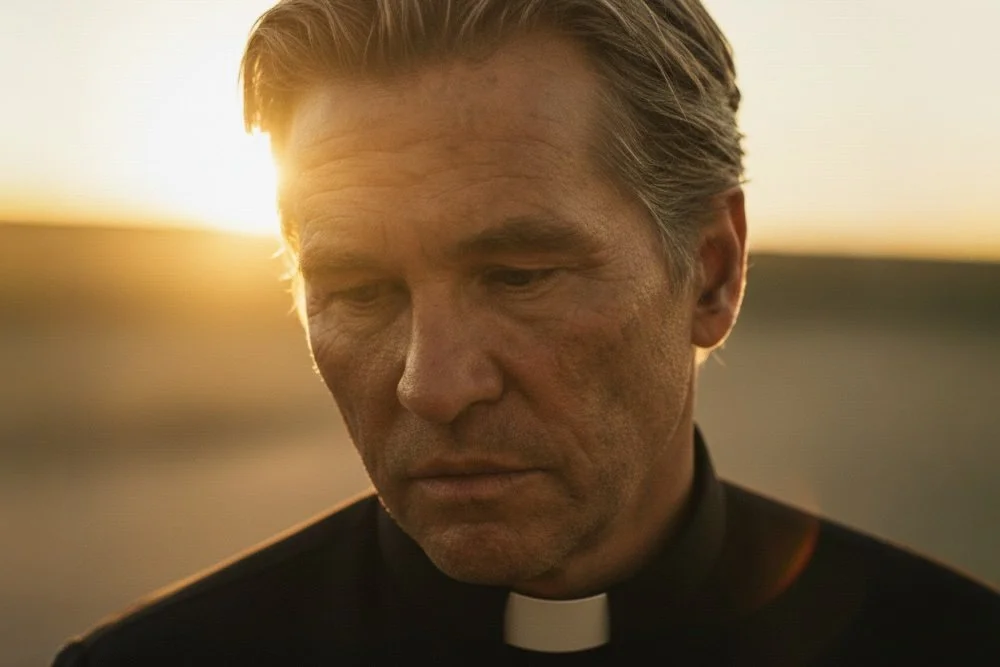
Our tribe members are still split on this… join the debate inside our Global Cinephiles tribe!
In the passionate, popcorn-scented corners of the internet where film lovers gather (our global cinephiles tribe) few topics ignite hotter debates than the collision of art, technology, and mortality. On March 18, 2026, Variety dropped a bombshell that has everyone from festival programmers to Reddit film theorists arguing nonstop: Val Kilmer has been resurrected via AI to star in the new indie film As Deep as the Grave.
Kilmer was cast back in 2020 as Father Fintan, a Catholic priest with Native American spiritual ties, but throat cancer left him too ill to ever reach the set before his death in 2025. Writer-director Coerte Voorhees refused to recast or cut the role. Instead, with the full blessing (and compensation) of Kilmer's estate and daughter Mercedes, generative AI has recreated the actor's likeness and performance. Mercedes shared her father's optimistic view of tech: "He always looked at emerging technologies with optimism as a tool to expand the possibilities of storytelling." Voorhees added that this was "what Val wanted."
The reactions have caused pure tribal warfare. Some cinephiles cheer "more Val movies!" Others have been calling it "sick and greedy," with cries of "it should be illegal" echoing across X. This isn't just another deepfake meme — it's the real deal: a deceased legend essentially brought back from the dead to act. So, let's cut through the noise and evaluate the big question splitting our tribe: Is it ethical to use AI to resurrect people like this?
Update: the irony of this is that folks inside Global Cinephiles are leaning against all of this. But if you jump into our AI Trends tribe, there are many people who support it!
[UPDATE]: people are losing their minds after watching the latest trailer.
The Pros: Honoring Legacy, Expanding Storytelling, and Keeping the Magic Alive
First, consent and family approval matter — hugely. This isn't some rogue studio scraping Kilmer's old footage without permission. His daughter and estate signed off, the project compensated them, and it followed SAG-AFTRA guidelines. Val himself was passionate about the role, drawn to its themes of heritage and the Southwest. If the man wanted his name on this story and tech could make it happen, denying that feels like overriding his own wishes from beyond the grave.
Second, artistic integrity. The film was built around Kilmer. Recasting would have gutted the narrative; cutting the character would break the plot. AI here isn't lazy cost-cutting — it's a tool preserving the director's vision in an indie production that couldn't afford endless delays. We've accepted CGI ghosts (hello, Ghostbusters Egon) and deepfake cameos for years. This is just the next evolution, letting storytellers finish what they started.
Third, legacy preservation and fan joy. Kilmer gave us iconic turns in Tombstone, Top Gun, Batman Forever, and The Doors. Why mourn the end of new performances when tech can honor his craft? For families and fans grieving lost icons (think Carrie Fisher in Rogue One or Peter Cushing in Rogue One), it offers closure and continued inspiration. Mercedes framed it as expanding "possibilities of storytelling" — optimistic, forward-thinking, and very much in the spirit of cinema's history of pushing boundaries with new tech.
In short: When done with permission, payment, and purpose, AI resurrection can be a respectful bridge between past genius and future screens.
The Cons: Soul-Less Performances, Slippery Slopes, and the Death of Authenticity
But here's where the tribe pushes back hard — and they're not wrong. No matter how flawless the AI (and early looks suggest it's eerily convincing), it lacks the soul only a living human brings. Kilmer's magnetism came from lived experience: the gravel in his voice, the flicker in his eyes, the unpredictable humanity. One X user nailed it: "He was a talented actor for a reason... Fuck AI." Replicating his likeness feels like a hollow puppet show — uncanny valley on steroids.
Then there's the bigger ethical minefield. Even with family approval here, the dead can't consent to future uses. What happens when studios (or worse, bad actors) start "resurrecting" legends without permission? Deepfakes already fuel misinformation; weaponizing them for profit could erode trust in film entirely. Living actors worry too — why hire a rising star when you can cheap out with a dead one's AI clone? SAG-AFTRA has sounded alarms for years about job loss and likeness rights. This precedent risks turning Hollywood into a graveyard of recycled ghosts while real performers starve.
Philosophically, it cheapens death and art. Cinema has always been about capturing fleeting human moments — the sweat, the improvisation, the irreplaceable presence. Bringing people "back" skips grief, skips finality, and risks exploiting tragedy for clicks. Critics call it greedy moral dressing: "no amount of family blessing changes how sick this is." And once the tech is normalized? Expect more "zombie" cameos in blockbusters, not just respectful indies.
The Verdict from the Cinephile Trenches
This As Deep as the Grave case sits right on the knife's edge: family-endorsed, story-driven, and rooted in Val's own optimism versus the creeping fear that we're opening Pandora's AI coffin for every future project. It's not black-and-white. Done transparently with consent and compensation (as here), it feels like a loving tribute. Done cheaply or coercively? Straight-up dystopian.
Our global cinephile tribe will keep debating because film isn't just entertainment — it's how we wrestle with life, death, memory, and what it means to be human in a machine age. Val Kilmer's AI return forces us to ask: Do we want cinema to evolve with tech, or protect its beating heart at all costs?
What side are you on? Drop your take in the comments — let's keep the tribal fire burning. And if As Deep as the Grave hits theaters, I'll be in the front row... just hoping the performance still feels like Val's fire, not just pixels pretending.
