
San Francisco's Bedrock Robotics raised a $600 million Series C on October 26, 2026, at a $4.1 billion valuation, according to TechCrunch. CapitalG and Emergence Capital co-led the round, which brings the company's total funding to nearly $1 billion about 2 years after it was founded in 2024. For anyone working in Bay Area robotics, physical AI or construction tech, the deal is a useful marker of where large checks are going in late 2026 and what kind of team is getting them.
What Bedrock Robotics builds
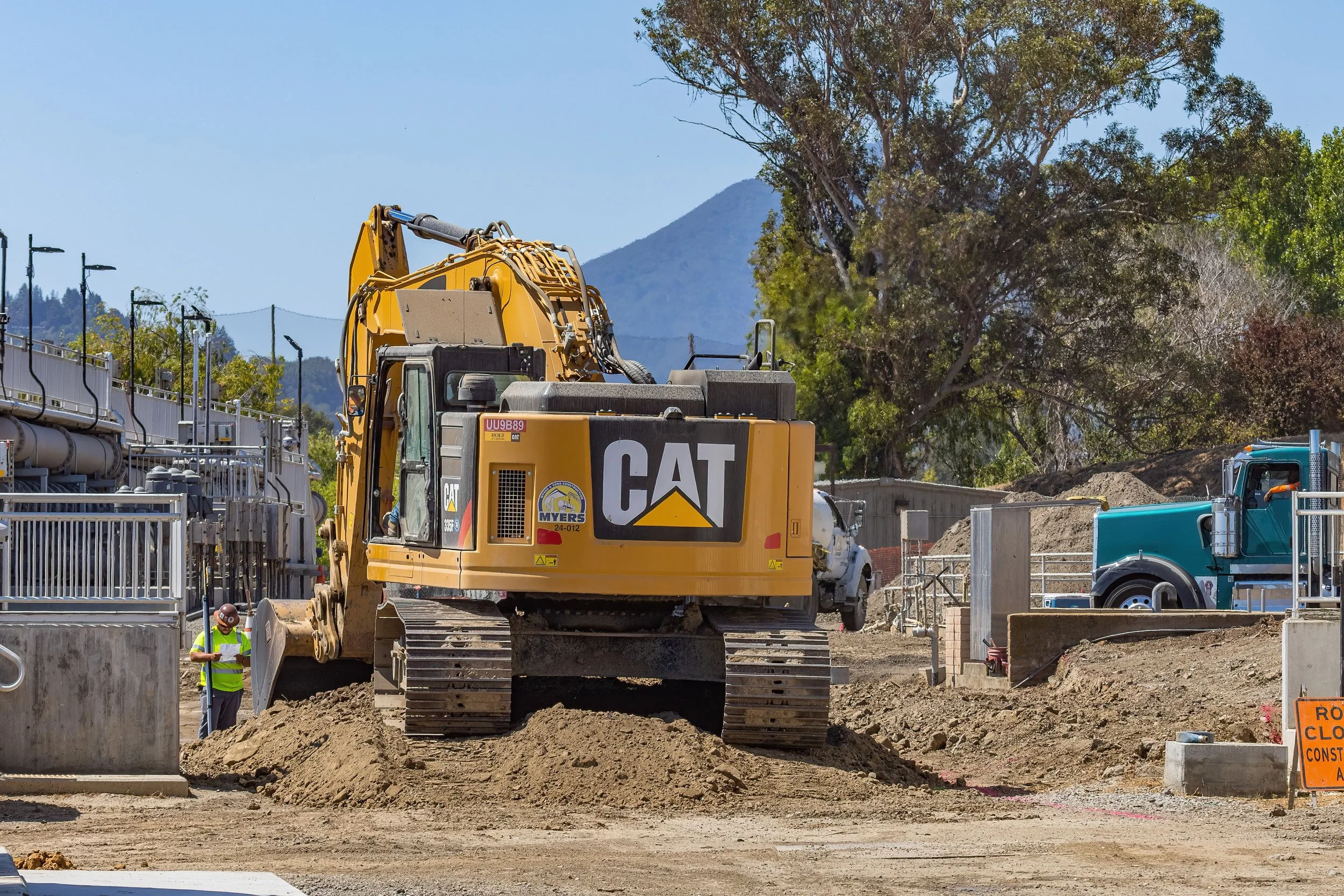
Bedrock makes a self-driving kit that retrofits onto existing excavators and other worksite machines, so contractors can add autonomy to equipment they already own instead of buying a new fleet. According to TechCrunch, about 2 months before the round the company moved its excavators out of testing and pilots and onto active construction sites. Customers so far include a water treatment facility in Nevada, an earthwork site run by Champion Site Prep in Texas, and a 1.2 million cubic yard civil sitework project with Zachry Construction Corporation. The newest partner is Haydon, an Arizona general contractor planning to use Bedrock-equipped machines on manufacturing, water, data center and healthcare projects.
Bedrock's profile on CapitalG's portfolio page says the company is retrofitting excavators, bulldozers and loaders, with the goal of making fully autonomous fleets standard on complex projects within 5 years. CEO Boris Sofman described the current stage in a statement quoted by TechCrunch: "We have proven that fully autonomous excavators can perform real work of value." He added that "the next challenge is delivering that capability to more contractors."
Who led the round and who else is in
Alongside the 2 co-leads, new investors in the Series C include the US Innovative Technology Fund, Bessemer Venture Partners and Temasek, and existing backers 8VC, Georgian, Valor Equity Partners, Xora, Eclipse, Perry Creek Capital and Nvidia also participated, per TechCrunch. The pace of fundraising has been fast, and in February SiliconANGLE reported a $270 million Series B led by CapitalG and Valor Atreides AI Fund, so the company has raised roughly $870 million in 2026 alone across 2 rounds.
Why a Waymo alumni team matters here
Bedrock's leadership comes straight out of the Bay Area autonomy world. Sofman previously led Waymo's self-driving trucks program, and before that he cofounded Anki, the consumer robotics company behind the Cozmo robot, which shut down in 2019. CTO Kevin Peterson and VP of Engineering Ajay Gummalla are also Waymo veterans, and cofounder Tom Eliaz came from Segment and Twilio. Founders thinking about their own physical AI company will recognize the pattern from earlier waves of autonomy funding, where investors backed teams who had already shipped hard robotics systems and had lived through at least 1 company that didn't survive.
The labor math is the other half of the story. Bedrock says it takes 5 years or more to master excavator operation, and TechCrunch cites an Associated Builders and Contractors estimate that more than 40% of construction workers will retire within 5 years. A retrofit kit aimed at a shrinking pool of skilled operators is an easier case for investors to underwrite than a brand new machine contractors would have to buy outright.
What it means for SF robotics hiring and office space
TechCrunch reports the new money will go toward deploying at more construction sites and growing the teams and infrastructure that support field customers. The company has already added operations and legal leaders with autonomous vehicle backgrounds, hiring Amy Jones Satrom, formerly of Amazon, Nuro and Uber, as VP of Operations, and Lando Juarez, formerly head of legal for Uber's autonomous mobility and delivery business, as general counsel. Bedrock was also expanding its footprint in the city before this round. In March, Hoodline reported the company leased about 35,000 square feet across the top 2 floors of 799 Market Street, above Ross at Fourth and Market in downtown San Francisco.
For robotics engineers, field operations staff and autonomy specialists, this adds another well-funded employer to a hiring market already crowded with self-driving and humanoid startups. If you're weighing an offer from a late-stage private robotics company, our explainer on startup tender offers for employees covers how equity liquidity can work at companies this size before an IPO.
Where physical AI founders and builders are meeting
Rounds this size pull more engineers and founders into robotics, and the quickest way to get real context on the space is still in a room with people building it. In San Francisco, many of the SF tech communities worth joining now run AI and hardware programming, and our guide to finding AI hackathons and communities covers the build nights where robotics teams often show up to recruit. Founders who need a desk close to the action can compare options in our roundup of coworking spaces in San Francisco for founders.
Down the Peninsula, physical AI has been a regular theme at South Bay Renaissance, the Tribe-organized effort to rebuild the South Bay and Peninsula startup and social scene in person, one gathering at a time. It hosted The Physical AI Frontier in downtown Palo Alto on October 5 and a Physical AI and Robotics Mixer at Circuit Launch in Mountain View on October 9, and hardware and robotics nights are part of its regular lineup.
Trade notes with other builders
If you're building in robotics or physical AI, or you want to understand what a $4.1 billion excavator company means for the next wave of Bay Area startups, the South Bay Renaissance group chat on Tribe is a good place to swap notes and intros between events. Follow the Tribe Events calendar on Luma to catch founder workshops, demo nights and AI deep dives as soon as they're announced.
